


 Missing a tooth can feel like a “later” problem. If it’s not visible when you smile and it doesn’t hurt, it’s easy to postpone treatment. But inside the jaw, changes start quickly after a tooth is lost, and those changes can make replacement more complicated, more time-consuming, and sometimes more expensive.
At Implant & Perio Center of Kansas, Dr. Marq J. Sams, a board-certified periodontist, helps patients in West Wichita and East Wichita restore their smiles with dental implants and advanced bone grafting procedures. Here’s what you should know about jawbone loss, why it happens, and why early tooth replacement often leads to easier treatment and better long-term outcomes.
Why Does Bone Loss Happen After Tooth Loss?
Your jawbone is living tissue, and it needs stimulation to stay strong. When you bite and chew, your tooth roots transfer pressure into the bone, which helps maintain its density and shape.
When a tooth is missing:
- There is no root to stimulate the bone
- The body begins to break down and reabsorb the unused bone
- The jawbone becomes thinner and shorter over time
This process is called bone resorption, and it can start within months of losing a tooth.
Key point: Tooth loss is not just a gap in the smile, it’s also a loss of support inside the jaw.
How Fast Does Jawbone Shrink?
Bone loss can begin soon after extraction or tooth loss and tends to progress most rapidly in the first year. Over time, the jaw can continue to lose volume, especially if multiple teeth are missing.
The longer a space remains empty, the more likely you are to experience:
- Bone thinning
- Gum tissue collapse
- Shifting teeth
- Bite changes
- A more “sunken” look in the lower face
This is one reason why replacing teeth sooner often leads to more straightforward treatment plans.
What Happens When You Wait Too Long To Replace Missing Teeth?
1) Dental Implant Placement Becomes More Challenging
Dental implants rely on adequate bone for support. If bone has resorbed, there may not be enough height or width to place an implant safely.
Waiting can mean:
- A longer implant timeline
- Additional procedures to rebuild bone
- A higher chance the implant site needs staged treatment
2) Bone Grafting May Be Needed Before Implants
If the jawbone has shrunk significantly, a bone graft may be needed to rebuild the area before an implant can be placed.
Bone grafting is a very common and predictable procedure, but waiting can lead to:
- Larger grafts
- More healing time
- More complex treatment
In many cases, replacing a tooth early can preserve bone and reduce the need for extensive grafting.
3) Your Sinus Can Drop Into The Space (Upper Back Teeth)
When upper molars are missing, the sinus cavity above them can gradually expand downward. This can limit space for implants and require a sinus lift procedure to create enough bone height.
If you’re missing upper back teeth, early evaluation is especially important.
4) Teeth Shift And Your Bite Changes
Teeth are surprisingly mobile. When a tooth is missing:
- Neighboring teeth can drift into the gap
- The opposing tooth may super-erupt (grow downward/upward into the space)
- Your bite can become uneven
This shifting can create crowding, increase wear, and even contribute to jaw discomfort.
5) Chewing Function And Nutrition Can Suffer
Even one missing tooth can affect the way you chew. Many people unconsciously avoid one side of the mouth, leading to:
- Uneven bite forces
- Added stress on remaining teeth
- Difficulty chewing fibrous or crunchy foods
Replacing missing teeth early helps restore function and reduces the risk of future dental issues.
Why Dental Implants Help Prevent Bone Loss
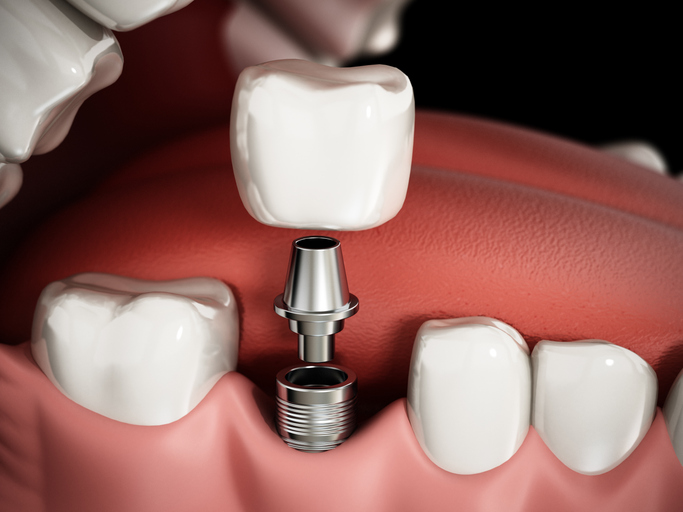
A dental implant works like a natural tooth root. Once it integrates with the bone, it can provide the stimulation needed to help maintain jawbone volume.
Compared to traditional tooth replacement options, implants can:
- Preserve bone
- Prevent shifting of neighboring teeth
- Restore strong biting function
- Support long-term oral health and facial structure
That’s why many periodontists consider implants the gold standard for long-term tooth replacement when you’re a good candidate.
“I’ve Been Missing A Tooth For Years… Is It Too Late?”
Not necessarily. Many patients come to us after years of living with missing teeth and still successfully restore their smiles with implants. The key is getting the right evaluation, including advanced imaging to assess bone volume.
If bone loss has occurred, Dr. Sams may recommend procedures such as:
- Bone grafting
- Guided bone regeneration
- Sinus augmentation
- Soft tissue grafting (when needed for gum support and aesthetics)
Modern periodontal techniques can often rebuild the foundation needed for successful implants, even in challenging cases.
Signs You May Be Experiencing Jawbone Loss
You can’t always “feel” bone loss, but common clues include:
- A denture or partial denture that no longer fits well
- Facial sagging or a more sunken appearance around the mouth
- Increased spacing or shifting teeth
- Gum recession around nearby teeth
- Difficulty chewing comfortably
The best way to know is through a clinical exam and imaging.
The Best Time To Replace A Missing Tooth
In general, earlier replacement helps reduce the amount of bone loss that can occur. That doesn’t mean you need to rush into treatment without a plan, but it does mean it’s wise to schedule a consultation soon after tooth loss.
If you recently had an extraction, you may have options such as:
- Socket preservation grafting (to maintain bone volume)
- Immediate implant placement (in select cases)
- Planned implant placement after healing
Every case is different, and the right timing depends on your health, gum condition, and bone structure.
Schedule A Dental Implant Consultation In Wichita, KS
If you have a missing tooth or you’ve been told you “don’t have enough bone,” you still have options. Dr. Marq J. Sams and the team at Implant & Perio Center of Kansas provide advanced periodontal and implant care at two convenient locations:
We’ll evaluate your jawbone, discuss your goals, and outline a clear plan to help you replace missing teeth and protect your long-term oral health.
Ready to take the next step? Contact Implant & Perio Center of Kansas to schedule a consultation today.