


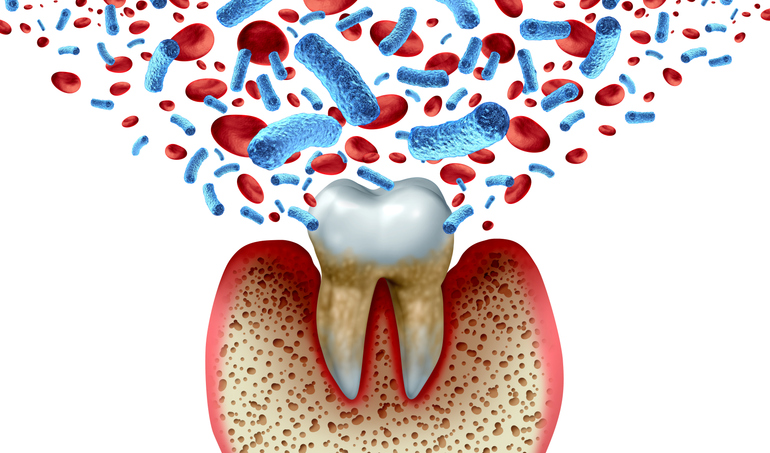
 Gum disease is one of the most common chronic infections in adults, and it often progresses quietly. In the earliest stages, you may feel fine and assume everything is normal, even while inflammation and bacteria begin damaging the tissues that support your teeth. That is why periodontal disease is frequently called a silent infection. Unfortunately, by the time gum disease becomes painful, the condition may already be advanced.
At Implant & Perio Center of Kansas, serving patients from West Wichita and East Wichita, Dr. Marq J. Sams focuses on diagnosing and treating gum disease with a goal of protecting your natural teeth and preserving your long term oral health. If you have bleeding gums, persistent bad breath, gum recession, or loose teeth, it is worth taking those signs seriously.
What Is Gum Disease?
Gum disease, also known as periodontal disease, is an infection of the gums and underlying bone caused by bacteria that live in dental plaque. Plaque is a sticky film that forms on teeth every day. When plaque is not removed effectively through brushing, flossing, and professional cleanings, bacteria multiply and irritate the gums.
Over time, this irritation triggers inflammation. The body’s inflammatory response, combined with the presence of harmful bacteria, can lead to the breakdown of gum tissue and bone. Periodontal disease is not simply “sore gums.” It is an active infection that can cause permanent damage without timely treatment.
The Stages of Gum Disease: Gingivitis vs. Periodontitis
Gingivitis (Early Stage)
Gingivitis is the earliest form of gum disease. It happens when plaque causes the gums to become inflamed, tender, and prone to bleeding. Many people notice bleeding while brushing or flossing and assume they brushed too hard. In reality, healthy gums typically do not bleed.
Common signs of gingivitis include:
- Red, puffy, or shiny gums
- Bleeding when brushing or flossing
- Bad breath that does not improve with brushing
- Mild gum tenderness
The good news: gingivitis is often reversible with professional cleaning and improved daily home care.
Periodontitis (Advanced Stage)
If gingivitis is not treated, it can progress to periodontitis. At this stage, the infection spreads deeper. The gums begin pulling away from the teeth, creating spaces called periodontal pockets. These pockets trap bacteria and tartar below the gumline, which are difficult to remove with brushing and flossing alone.
As periodontitis progresses, it can cause:
- Gum recession (teeth appear longer)
- Deep pockets around teeth
- Bone loss around the roots
- Tooth mobility or shifting
- Changes in your bite
- Tooth loss
Periodontitis requires professional periodontal care. The primary goal is to reduce infection, stop the disease from progressing, and preserve as much bone and gum tissue as possible.
Why Gum Disease Is So Often Silent
One reason gum disease is dangerous is that it can develop with few obvious symptoms at first. Many people do not feel pain until the infection has progressed significantly. Even gum recession can happen slowly, making it easy to miss until the change becomes noticeable.
You may have periodontal disease and not realize it if you experience:
- Occasional bleeding that comes and goes
- Mild gum swelling that seems minor
- Persistent bad breath you attribute to food or dry mouth
- Tooth sensitivity you assume is “normal”
Periodontal evaluations are important because they can detect pocket depth changes and bone loss that are not always visible in the mirror.
Warning Signs You Should Not Ignore
If you are in Wichita and notice any of these symptoms, it may be time to see a periodontist:
- Bleeding when brushing or flossing
- Gums that look red, swollen, or feel tender
- Chronic bad breath or a bad taste in your mouth
- Receding gums or teeth that look longer
- Pus around the gumline
- Loose teeth or spacing changes
- Pain when chewing
- Changes in the way your teeth fit together
Some of these signs may indicate advanced disease, so earlier evaluation is always the safer option.
The Serious Consequences of Untreated Gum Disease
Tooth Loss and Bone Deterioration
The most direct and common consequence of periodontal disease is the loss of the structures that hold teeth in place. Even if the tooth itself is healthy, it cannot remain stable if the surrounding bone is compromised. That is why gum disease is one of the leading causes of tooth loss in adults.
Bone loss can also affect future tooth replacement options. For example, dental implants require adequate bone support, and gum disease can reduce bone density over time.
Systemic Health Concerns
Gum disease does not stay confined to the mouth. The bacteria involved in periodontal disease can enter the bloodstream through inflamed gum tissue. This can contribute to inflammation in other parts of the body.
Studies have found links between periodontal disease and health conditions such as:
- Heart disease
- Stroke
- Diabetes complications
- Respiratory infections
If you are managing diabetes, gum disease may be especially important to address because inflammation can make blood sugar harder to control. Likewise, chronic inflammation in the body is increasingly recognized as a contributor to many systemic conditions.
While gum disease is not necessarily the direct cause of every related condition, treating periodontal infection can support overall health and reduce chronic inflammatory burden.
Who Is Most at Risk for Gum Disease?
Anyone can develop gum disease, but certain factors increase your risk:
- Smoking or tobacco use (including vaping and smokeless tobacco)
- Diabetes or difficulty controlling blood sugar
- Genetics and family history of periodontal disease
- Hormonal changes (pregnancy or menopause)
- Certain medications that cause dry mouth
- Stress and poor sleep, which may affect immune response
- Clenching or grinding, which may worsen inflammation
- Inconsistent brushing and flossing routines
If you have one or more of these risk factors, you may benefit from more frequent periodontal checkups or maintenance visits.
Periodontal Treatment Options in Wichita, KS
At Implant & Perio Center of Kansas, Dr. Marq J. Sams provides personalized treatment plans based on the severity of gum disease, pocket depth measurements, bone levels, and individual risk factors. Common treatment approaches include:
Scaling and Root Planing (Deep Cleaning)
Often recommended for early to moderate periodontitis, scaling and root planing removes plaque, tartar, and bacteria from beneath the gumline. Root planing smooths root surfaces so the gums can reattach more effectively, reducing pocket depth and inflammation.
Periodontal Maintenance
After initial treatment, many patients benefit from periodontal maintenance visits. These cleanings are typically more frequent than standard cleanings because periodontal pockets can redevelop infection more quickly. Maintenance helps prevent relapse and supports long term stability.
Gum Grafting for Recession
When gums recede, tooth roots can become exposed, leading to sensitivity, higher cavity risk on the roots, and aesthetic concerns. Gum grafting restores tissue where it is needed, protects vulnerable roots, and can improve comfort.
Regenerative Procedures
In some cases, regenerative techniques may help restore lost bone or support tissues. These approaches depend on the type and location of the bone loss and the patient’s overall periodontal health.
Dental Implants After Tooth Loss
If gum disease has led to tooth loss, dental implants can be an excellent solution. Implants help restore chewing function and can prevent further bone loss in the area. A healthy periodontal foundation is essential for implant success, which is why managing infection first is so important.
With two convenient locations in West Wichita and East Wichita, patients can access specialty periodontal care without traveling far.
How to Prevent Gum Disease and Protect Your Smile
Daily habits matter. Here are practical steps you can take to reduce your risk:
- Brush twice daily for two minutes using a soft bristled toothbrush
- Clean between teeth daily with floss, interdental brushes, or water flossers
- Replace your toothbrush every three to four months
- Schedule regular professional cleanings and exams
- If you smoke, seek support to quit
- Drink water regularly and manage dry mouth
- Keep chronic conditions, especially diabetes, under control
- Do not ignore bleeding gums, even if it seems minor
Prevention is not only about avoiding gum disease, it is also about catching it early when treatment is simpler and outcomes are more predictable.
Take the Next Step Toward Healthier Gums in Wichita
Gum disease can be painless at first, but it is not harmless. Left untreated, it can lead to gum recession, bone loss, tooth mobility, and even tooth loss. It may also contribute to inflammation beyond the mouth, affecting overall wellness.
If you are concerned about gum disease symptoms or have not had a periodontal evaluation recently, schedule a visit with Dr. Marq J. Sams at Implant & Perio Center of Kansas. With offices in West Wichita and East Wichita, expert periodontal care is close and convenient.
Your gums are the foundation of your smile. Treating a silent infection today can help prevent serious consequences tomorrow.