


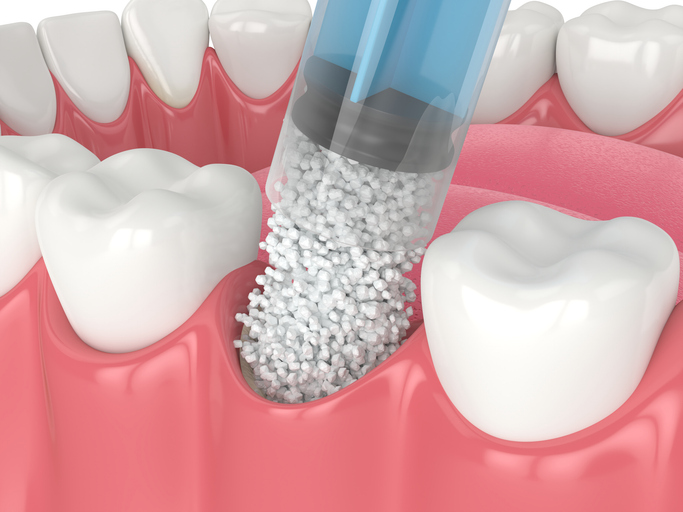
 If you have been told you need a bone graft before getting dental implants, you may feel uncertain about what the procedure involves and why it is important. Bone grafting is a common periodontal treatment that restores lost bone in the jaw and helps create a strong, healthy foundation for your smile. It is often recommended for patients who have experienced bone loss due to missing teeth, gum disease, or injury.
At Implant & Perio Center of Kansas, Dr. Marq J. Sams helps patients in Wichita, KS improve their oral health with advanced periodontal care, including bone grafting procedures. Learning more about the treatment can help you feel prepared and confident about your next steps.
Here are three important things you should know about bone grafting and how it can benefit your smile and long-term dental health.
1. Bone Grafting Helps Restore Lost Jawbone
One of the most important facts about bone grafting is that it is designed to restore areas of the jawbone that have weakened or deteriorated over time. Many people do not realize that the jawbone depends on healthy teeth and regular chewing activity to maintain its strength and density.
When a tooth is lost or removed, the bone underneath no longer receives stimulation from the tooth root. As a result, the jawbone in that area gradually begins to shrink. This process is known as bone resorption, and it can occur surprisingly quickly after tooth loss.
Several factors may contribute to jawbone loss, including:
- Missing teeth
- Advanced gum disease
- Facial trauma or injury
- Tooth extractions
- Infection
- Long-term denture wear
- Failed dental implants
As the jawbone weakens, it can create both cosmetic and functional problems. Some patients notice changes in their facial appearance, such as a sunken or aged look around the mouth and cheeks. Others experience shifting teeth, bite problems, or difficulty speaking and chewing comfortably.
Bone grafting helps rebuild the jawbone by placing specialized grafting material into the affected area. Over time, the body naturally integrates the graft and develops new bone tissue around it. This process strengthens the jaw and restores the support needed for healthy oral function.
There are several different types of bone grafting materials that may be used depending on the patient’s needs. These can include:
- Bone from the patient’s own body
- Donor bone material
- Synthetic bone substitutes
- Animal-derived grafting materials
Dr. Sams carefully evaluates each patient’s oral health and bone structure to determine the most effective treatment approach. Modern bone grafting techniques are highly advanced and can successfully restore bone in many different areas of the mouth.
In addition to supporting future restorative treatments, bone grafting also helps preserve the natural shape of the jaw and protects surrounding teeth from additional complications.
2. Bone Grafting Is Often Necessary Before Dental Implants
Many patients discover they need bone grafting when exploring options for dental implants. Dental implants are considered one of the most effective and long-lasting ways to replace missing teeth, but they require a strong jawbone for support.
A dental implant functions like an artificial tooth root and must fuse securely with the surrounding bone in a process called osseointegration. If the jawbone is too thin, weak, or deteriorated, the implant may not have enough support to remain stable over time.
Bone grafting helps create the strong foundation needed for successful implant placement.
Even patients who have experienced significant bone loss may still qualify for dental implants after undergoing bone grafting treatment. This is encouraging news for individuals who previously believed they were not candidates for implant dentistry.
Some common reasons patients may require bone grafting before dental implant placement include:
Tooth Loss Over Time
The longer a tooth has been missing, the more bone loss is likely to occur. Patients who have waited several years to replace missing teeth often need grafting to restore adequate bone volume.
Periodontal Disease
Advanced gum disease can damage both the gums and the underlying jawbone. In severe cases, periodontal disease destroys the support structures around the teeth, increasing the likelihood of tooth loss and bone deterioration.
Bone Defects or Trauma
Injuries, infections, or congenital defects may leave certain areas of the jaw too weak to support implants without additional bone reinforcement.
Sinus Issues in the Upper Jaw
Some patients require a sinus lift procedure, which is a specialized type of bone grafting performed in the upper jaw near the molars. This treatment creates additional bone height for implant placement in areas close to the sinus cavity.
Bone grafting greatly improves the success rate of dental implants by ensuring there is enough healthy bone to anchor the implant securely. A strong foundation not only improves stability but also helps implants function more naturally and last longer.
For many patients, bone grafting is an investment in both oral health and quality of life. Dental implants supported by healthy bone can restore confidence, improve chewing ability, and help maintain long-term jaw health.
3. Recovery Is Usually Easier Than Most Patients Expect
It is normal to feel nervous about any surgical procedure, but many patients are pleasantly surprised by how manageable bone grafting recovery can be. Advances in periodontal technology and treatment techniques have made the procedure more comfortable and predictable than ever before.
After the procedure, patients may experience mild symptoms such as:
- Minor swelling
- Tenderness near the treatment area
- Mild bleeding
- Temporary sensitivity
- Slight discomfort when chewing
These symptoms are typically short-lived and can often be managed with prescribed or over-the-counter medications, ice packs, and rest.
Most patients are able to return to work or regular activities within a day or two, depending on the complexity of the procedure. Dr. Sams provides personalized aftercare instructions to help support proper healing and minimize discomfort during recovery.
Patients are usually advised to:
- Eat soft foods for several days
- Avoid smoking or tobacco products
- Maintain good oral hygiene
- Avoid strenuous activity immediately after surgery
- Attend follow-up appointments to monitor healing
Healing time can vary based on the size of the graft and the patient’s overall health. Smaller grafts may heal relatively quickly, while larger procedures may require several months for complete bone development before dental implants can be placed.
Although the healing process takes time, the long-term benefits are often well worth it. Bone grafting can improve oral function, preserve facial structure, and provide the support needed for successful restorative treatment.
Why Choose Implant & Perio Center of Kansas for Bone Grafting?
Choosing an experienced periodontist is an important part of successful bone grafting treatment. Dr. Sams and the team at Implant & Perio Center of Kansas are committed to helping patients achieve healthier smiles through advanced periodontal care and personalized treatment planning.
Patients visiting the East Wichita or West Wichita locations receive comprehensive evaluations and customized solutions designed to meet their individual oral health needs. The practice focuses on patient comfort, education, and long-term results using modern techniques and technology.
Whether you are preparing for dental implants or seeking treatment for bone loss caused by gum disease or missing teeth, bone grafting can play a vital role in restoring your oral health and confidence.
Schedule a Bone Grafting Consultation in Wichita, KS
If you are considering dental implants or have concerns about jawbone loss, Implant & Perio Center of Kansas can help you explore your treatment options. Dr. Marq J. Sams provides expert periodontal care and bone grafting services for patients throughout Wichita, KS.
A consultation is the first step toward rebuilding your smile and protecting your long-term oral health.