


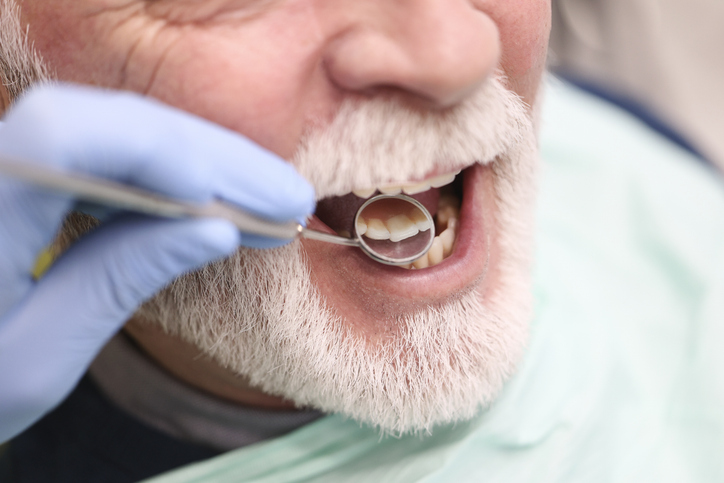
 Many patients are surprised to learn that periodontal disease is not something that simply goes away after treatment. While professional periodontal care can successfully control the infection and stabilize your oral health, periodontal disease is considered a chronic condition that requires ongoing management.
At Implant & Perio Center of Kansas, Dr. Marq J. Sams helps patients throughout Wichita maintain healthy gums and protect their smiles through comprehensive periodontal treatment and maintenance care. Understanding how periodontal disease behaves after treatment can help you preserve your results for years to come.
Understanding Periodontal Disease
Periodontal disease is a chronic bacterial infection that affects the gums, bone, and other structures supporting the teeth. It often begins as gingivitis, which may cause symptoms such as:
- Red, swollen gums
- Bleeding when brushing or flossing
- Tender gum tissue
- Persistent bad breath
Without treatment, gingivitis can progress into periodontitis, leading to gum recession, bone loss, and eventually tooth loss.
Can Periodontal Disease Become Active Again After Treatment?
The answer is yes.
One of the most important things patients should understand is that periodontal disease is managed, not cured. Treatment helps control the bacterial infection, reduce inflammation, and stabilize the supporting tissues around the teeth. However, individuals who have been diagnosed with periodontitis remain susceptible to future disease activity.
Even after successful treatment, harmful bacteria can accumulate below the gumline again if proper maintenance and oral hygiene are not maintained. As a result, periodontal disease can become active and begin causing additional damage over time.
Why Periodontal Disease Can Become Active Again
Several factors can contribute to the progression or reactivation of periodontal disease.
Inadequate Oral Hygiene
Daily plaque removal is essential for maintaining periodontal health. When plaque is allowed to accumulate, harmful bacteria can trigger inflammation and infection in the gums.
Missing Periodontal Maintenance Appointments
Patients with a history of periodontitis typically require periodontal maintenance visits every three to four months. These appointments allow your periodontist to monitor your condition and remove bacteria and tartar from areas that cannot be effectively cleaned at home.
Smoking and Tobacco Use
Smoking is one of the most significant risk factors for periodontal disease progression. Tobacco use impairs healing, weakens the immune response, and increases the likelihood of future periodontal problems.
Diabetes and Other Medical Conditions
Health conditions that affect the body’s ability to fight infection can increase the risk of periodontal disease becoming active again. Patients with diabetes should work closely with their healthcare providers to maintain good blood sugar control.
Chronic Stress
Stress can negatively impact immune function, making it more difficult for the body to manage inflammation and bacterial infections.
Teeth Grinding and Clenching
Excessive force placed on the teeth and supporting structures may contribute to tissue damage and complicate periodontal health.
Signs Your Periodontal Disease May Be Becoming Active Again
Recognizing symptoms early can help prevent further damage and allow for prompt intervention.
Common warning signs include:
- Bleeding gums
- Red or swollen gum tissue
- Persistent bad breath
- Gum recession
- Tooth sensitivity
- Loose teeth
- Changes in your bite
- Pus around the gums
If you notice any of these symptoms, scheduling an evaluation with a periodontist as soon as possible is important.
How To Protect Your Results Long-Term
Although periodontal disease cannot be permanently eliminated, there are many effective ways to keep the condition stable and reduce the risk of progression.
Follow an Excellent Home Care Routine
Brush your teeth at least twice daily using a soft-bristled toothbrush and fluoride toothpaste. Floss or use other recommended interdental cleaning tools every day to remove plaque between the teeth and along the gumline.
Your periodontist may also recommend antimicrobial rinses or other specialized products based on your needs.
Keep Your Periodontal Maintenance Appointments
Periodontal maintenance is one of the most important components of long-term periodontal health.
These visits allow your periodontist to monitor changes in your gums, measure pocket depths, remove bacterial buildup, and identify concerns before they become more serious.
For many patients with a history of periodontal disease, maintenance appointments every three to four months are essential.
Avoid Tobacco Products
Quitting smoking can significantly improve your periodontal prognosis and support healthier gums.
Manage Systemic Health Conditions
Conditions such as diabetes can directly affect periodontal health. Maintaining good overall health helps your body better control inflammation and infection.
Eat a Nutrient-Rich Diet
A balanced diet rich in vitamins, minerals, and antioxidants supports gum health and immune function.
Address Teeth Grinding
If you grind or clench your teeth, a custom nightguard may help protect your teeth and supporting structures from excessive forces.
Why Long-Term Periodontal Maintenance Matters
Many patients think of periodontal treatment as a one-time solution. In reality, periodontitis is more similar to other chronic conditions that require ongoing monitoring and care.
Successful treatment establishes periodontal stability, but long-term maintenance is what helps preserve that stability. Patients who consistently attend maintenance visits and follow recommended home care routines are often able to maintain healthy, functional smiles for many years.
Partner With a Wichita Periodontist for Lifelong Gum Health
If you have been treated for periodontal disease, ongoing care is one of the best investments you can make in your oral health. Dr. Sams and the team at Implant & Perio Center of Kansas provide comprehensive periodontal treatment and maintenance services for patients throughout Wichita, KS.
Whether you have concerns about recurring symptoms or want to stay proactive about your periodontal health, our team is here to help you protect your smile and maintain long-term stability.
Schedule an Evaluation Today
If you’re experiencing signs of periodontal disease or would like to discuss a personalized maintenance plan, contact us to schedule an appointment with Dr. Sams. Together, we can help you maintain healthy gums and a confident smile for years to come.